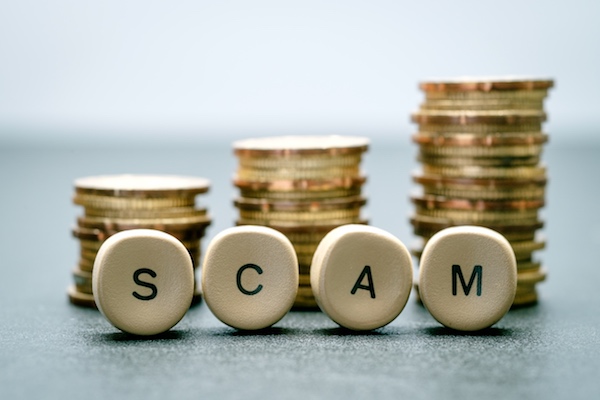
HMRC has warned taxpayers to be vigilant after receiving more than 4,800 reports of Self Assessment scams since February.
Overall, the tax collecting body says in the last 10 months it has received more than 135,500 reports of suspected scams.
HMRC is one of the most targeted public bodies by scammers.
It has urged people to stay vigilant ahead of the Self Assessment tax return deadline on 31 January.
Among the warning signs of potential scams are voicemails threatening legal action or arrest, scammers asking for personal or financial information via text message or email and customers contacted by email, text, or phone to inform them about a refund or ask them to claim one.
Scammers often use persuasive and threatening tactics to target people when they are more likely to receive correspondence from HMRC, particularly the case as the Self Assessment deadline nears.
HMRC says taxpayers should check carefully that any email, SMS message or phone call claiming to be from HMRC is genuine.
The Self Assessment deadline to file returns and pay any tax owed for the 2024 / 2025 tax year is 31 January 2026. Customers can file online on GOV.UK.
Lucy Pike, HMRC’s chief security officer, said: “Millions of people file a tax return each year and scammers mimic HMRC to try and catch unsuspecting victims out.
“I’m urging people to stay vigilant and if any emails, text messages or phone calls appear suspicious – don’t be lured into clicking on links or sharing your personal information – report it directly to HMRC. Just search ‘report an HMRC scam’ on GOV.UK to find out more.”
HMRC has taken action to close down nearly 25,000 fake websites and phone numbers in the last 10 months.
Anyone who receives suspicious communication from HMRC can forward emails to